An Objective Analysis of US Tariffs on The Forex Markets in 2025 and 2026
The global forex market is highly sensitive to trade policies.
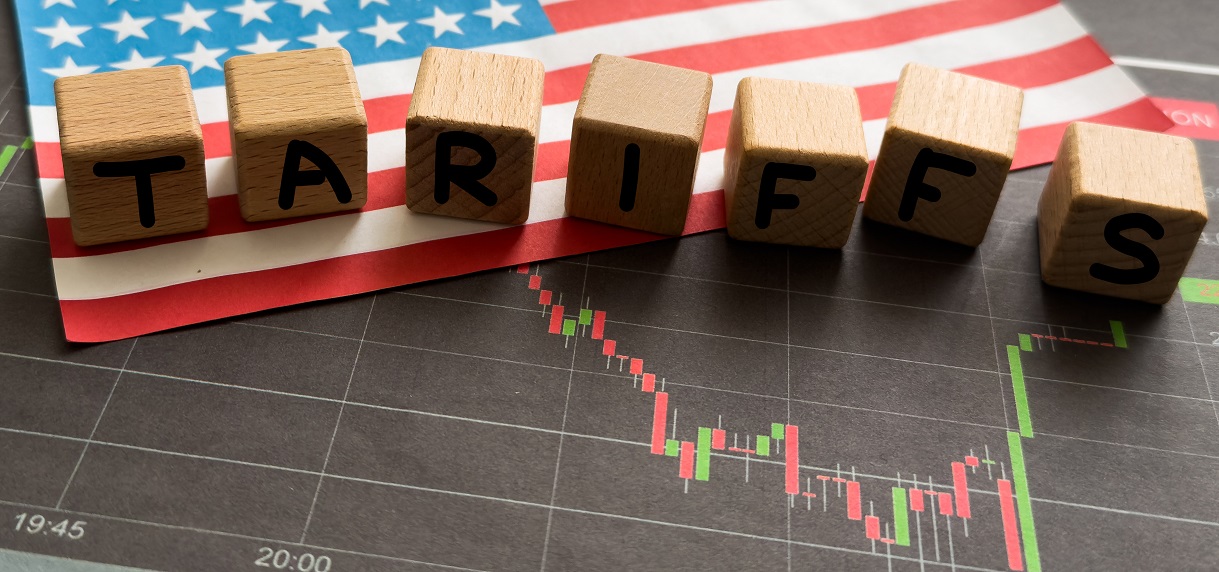
President Trump’s decision to impose new tariffs in April 2025 has significantly impacted currency valuations.
These tariffs, targeting key imports like steel, aluminum, electric vehicles, and semiconductors, were implemented to bolster domestic industries.
They have triggered substantial reactions in international trade flows and forex volatility.
This analysis examines the immediate forex market impact from April to June 2025.
It compares these movements to previous years and explores scenarios for the remainder of 2025 and 2026.
We will assess how shifting trade alliances and investor confidence are influencing major currency pairs.
This will provide forex traders with actionable insights for navigating these developments.
The Immediate Impact of US Tariffs (April–June 2025)
When the Trump administration announced new tariffs in April 2025, the forex market reacted immediately.
The US dollar (USD) initially strengthened due to expectations of increased domestic production and reduced import competition.
As trading partners announced retaliatory measures, market volatility intensified.
The euro (EUR) faced downward pressure as European exporters confronted higher costs for goods entering the US market.
The EUR/USD pair declined nearly 2% in the first two weeks following the announcement, reflecting concerns over weaker European trade revenue.
The Chinese yuan (CNY) weakened further as China, a primary target of the tariffs, anticipated slower export growth.
USD/CNY rose to its highest level in late 2024, indicating market skepticism about China’s near-term economic recovery.
The Japanese yen (JPY), traditionally a safe-haven currency, initially gained strength as investors sought stability.
Yet, as Japan’s export-driven economy also faced indirect tariff effects, USD/JPY rebounded by late May.
Commodity-linked currencies such as the Australian dollar (AUD) and Canadian dollar (CAD) showed mixed performance—AUD dipped due to China’s slowdown, while CAD remained steady thanks to strong oil demand unaffected by the tariffs.
Compared to previous years, April–June 2025 has experienced higher-than-average forex fluctuations.
Historical data from 2023 and 2024 indicates that trade policy shifts typically cause short-term volatility.
Sustained trends depend on whether tariffs remain in effect long-term.
How Tariffs Are Reshaping Global Trade and Forex Sentiment
The latest forex analysis suggests that tariffs are accelerating shifts in global trade partnerships.
The US is increasingly sourcing goods from Mexico, India, and Southeast Asia to avoid Chinese tariffs.
This has strengthened currencies like the Mexican peso (MXN) and Indian rupee (INR).
The European Union is deepening trade ties with Africa and South America, which could gradually reduce EUR dependency on US demand.
Investor confidence has also shifted. Stock markets initially declined on fears of a trade war, but as corporations adjusted supply chains, equities stabilized.
Forex traders, though, remain cautious. If tariffs persist, long-term USD strength is possible.
But if retaliatory measures escalate, the dollar could face downward pressure from declining global demand for US exports.
The International Monetary Fund (IMF) has warned that prolonged tariffs may slow global GDP growth by 0.5% in 2026.
This would further depress risk-sensitive currencies like AUD and NZD. On the other hand, if negotiations lead to partial tariff rollbacks, a relief rally in emerging market currencies could occur.
Forex Market Scenarios for Late 2025 and 2026
Scenario 1: Tariffs Remain in Place
If tariffs stay unchanged, the USD may continue benefiting from protectionist policies in the short term. Long-term risks include reduced export competitiveness as other countries impose counter-tariffs. Higher inflation from increased domestic production costs could delay Fed rate cuts.
A stronger USD could hurt multinational corporate earnings, spilling over into forex markets. In this scenario, EUR and JPY could gain as alternative safe havens, while CNY remains under pressure.
Scenario 2: Tariffs Are Partially Removed
A negotiated reduction in tariffs, on electronics and green energy components, could restore some trade stability. Key effects would include a short-term USD correction as trade war fears ease.
EUR and CNY would see recovery as export prospects improve. AUD and CAD would strengthen alongside commodity demand.
This scenario would likely see range-bound trading in major pairs until clearer economic trends emerge.
Scenario 3: Tariffs Escalate Into a Full Trade War
If the US and China impose more restrictions, risk aversion will dominate forex markets. JPY and CHF will surge as capital seeks safety.
The USD might weaken if the Fed cuts rates to mitigate economic damage. Emerging market currencies (MXN, INR, BRL) will face extreme volatility.
Forex traders must closely monitor geopolitical developments in this high-risk environment.
How Tariffs Affect Major Currency Pairs
EUR/USD: Trade War Fears vs. European Resilience
The EUR/USD pair faces bearish pressure if US tariffs reduce EU exports, potentially testing 1.05. A bullish reversal toward 1.12 is possible if the EU secures new trade deals to offset US market losses.
USD/JPY: Safe-Haven Flows and BoJ Policy
The yen could strengthen, pushing USD/JPY toward 145 if tariffs escalate. Yen weakness may prevail if the Bank of Japan intervenes to support exports, potentially driving the pair beyond 155.
AUD/USD: China’s Slowdown vs. Commodity Demand
Weak Chinese demand could drive AUD/USD to 0.63. A shift in Australian exports to alternative markets might support a rebound to 0.68 or higher.
USD/CNY: Yuan Stability and PBOC Intervention
Sustained tariffs may push USD/CNY beyond 7.40. Stabilization near 7.25 is possible if China’s central bank implements strong economic stimulus measures.
Strategic Forex Trading Approaches for 2025–2026
Forex traders must remain vigilant in monitoring trade policy announcements.
This includes Fed meetings, G20 summits, and US-China trade talks. These events often trigger significant market movements, requiring adaptive strategies.
Adjusting risk management is critical, as wider stop-losses may be necessary to account for erratic tariff-related price swings.
Focusing on safe-haven currencies such as JPY and CHF during periods of uncertainty can provide stability.
Gold-correlated currencies like AUD and CAD may offer opportunities during commodity-driven rallies.
Keeping a close watch on inflation data is essential, as tariffs could drive US inflation higher, influencing Fed policy shifts and subsequent USD trends.
Conclusion: Navigating Forex Markets in a Tariff-Driven Economy
The US tariffs implemented by President Trump in April 2025 have already altered forex market dynamics, with further changes expected in 2026.
Traders must stay informed on policy shifts, diversify strategies across major pairs, and prepare for both short-term volatility and long-term trend reversals.
For the latest forex trading insights and real-time updates on how tariffs impact currency movements, follow LatestForexRates.com.
By staying ahead of forex news and economic trends, traders can turn policy-driven disruptions into profitable opportunities.
Disclaimer
The information provided in this article is for educational and informational purposes only. It should not be construed as financial, investment, or trading advice. The analysis presented reflects an objective examination of how US tariff policies may influence forex markets based on historical patterns and economic principles. This article does not endorse or oppose any political position, nor does it advocate for or against the implementation of tariffs.
Forex trading involves substantial risk, and past performance is not indicative of future results. Readers should conduct their own research and consult with a qualified financial advisor before making any trading decisions. The scenarios discussed are hypothetical and subject to change based on evolving economic conditions, geopolitical developments, and policy adjustments.
Neither the author nor LatestForexRates.com assumes responsibility for any losses or damages resulting from actions taken based on the content of this article. The forex market is highly volatile, and traders should always employ proper risk management strategies.
This analysis is strictly focused on market mechanics and is not intended to influence political opinions or policy debates. All trade examples and projections are illustrative and should not be interpreted as recommendations.