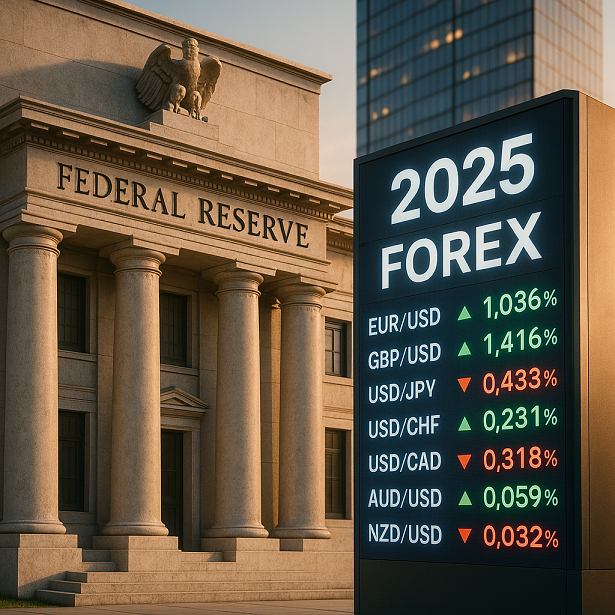

How Consumer Confidence Announcements Affect the Forex Markets
(2025-2026 Analysis)
Consumer confidence is a key indicator for forex traders, providing insights into the economy’s health and currency movements.
As we move into 2025 and 2026, understanding how consumer sentiment impacts forex trading strategies is vital.
This article delves into the impact of consumer confidence data on major currency pairs. It compares historical trends with current expectations and offers trading strategies for the future.
Understanding Consumer Confidence and Its Forex Market Impact
Consumer confidence indices gauge consumers’ optimism about their finances and the economy.
These metrics are critical in forex trading because confident consumers spend more. This drives economic growth and inflation, affecting central bank policies and currency values.
When confidence falls, spending drops, signaling economic contraction. This often leads to currency market volatility.
The US Consumer Confidence Index, the Eurozone Consumer Confidence Indicator, the UK’s GfK Consumer Confidence Index, and Japan’s Consumer Confidence Survey are key indicators.
Each release gives traders vital information on monetary policy shifts and economic trends.
These announcements can create short-term volatility. Yet, sustained trends in consumer sentiment can shape long-term currency movements. Smart trading strategies can capitalize on these trends.
Historical Consumer Confidence Shocks and Forex Reactions
Looking at past consumer confidence crises shows how forex markets react to economic sentiment shifts.
These historical examples help traders predict market behavior in 2025-2026.
The 2008 financial crisis showed how falling consumer confidence can cause currency movements.
US consumer sentiment hit record lows, prompting the Federal Reserve to cut rates. Initially, this weakened the US dollar.
Yet, the dollar rebounded as a safe haven during the crisis. The euro, hit by the Eurozone debt crisis, faced prolonged pressure.
This period highlighted the link between consumer confidence and financial stability in forex markets.
The 2020 COVID-19 pandemic led to a global consumer confidence collapse.
Forex markets immediately saw flows into safe-haven currencies like the Japanese yen and Swiss franc.
The US dollar initially weakened but then strengthened as the crisis worsened. This showed the dollar’s role as both a risk and safe-haven currency.
The 2022-2023 inflation surge presented a different challenge for trading strategies.
High inflation eroded consumer optimism and forced central banks to raise rates aggressively.
The US dollar strengthened as the Federal Reserve tightened, while the euro struggled with high inflation and an energy crisis.
This period showed how consumer confidence and monetary policy divergence affect currency valuations.
For 2025-2026, several differences stand out.
Today’s market has higher interest rates, limiting central bank flexibility to respond to confidence shocks.
Geopolitical tensions, like US-China relations and European energy security, have increased.
Artificial intelligence’s growing economic impact may also change traditional employment-confidence-currency relationships.
These factors suggest future consumer confidence shocks could lead to faster and more pronounced forex market reactions.
2025-2026 Market Expectations: Key Factors Influencing Sentiment
The upcoming years will bring both challenges and opportunities for forex traders. They must keep an eye on consumer confidence trends.
Several key socio-economic factors will shape sentiment in major economies. Each factor has its own impact on currency valuations.
In the United States, the balance between economic resilience and stagflation fears will be critical.
A strong labor market and stable inflation could keep confidence high. This would support the US dollar, even with delayed Federal Reserve rate cuts.
But, if inflation rises without growth, confidence could drop fast. This could weaken the dollar as markets look for policy easing.
The US consumer’s resilience to higher interest rates is vital for forex trading strategies in 2025.
Europe faces its own confidence challenges, tied to energy markets.
After recent years’ turmoil, Eurozone confidence is sensitive to energy price changes.
A harsh winter in 2025-2026 could increase inflation worries and harm sentiment. This would put downward pressure on the euro.
On the other hand, stable energy prices could help confidence recover. This might allow the European Central Bank to stay hawkish, contrary to current expectations.
Japan offers an interesting case where wage growth could boost consumer confidence.
After years of deflation, signs of real inflation and wage increases might prompt the Bank of Japan to adjust its policy.
This shift could strengthen the yen, more so if it happens when confidence elsewhere is weakening.
Forex traders should watch Japan’s quarterly wage negotiations and consumption tax policies. These are key indicators for yen movements.
Britain’s post-election economic path will greatly influence GBP valuations through consumer confidence.
The new government’s fiscal policies, like taxation and public spending, will directly affect household sentiment.
Strong confidence could support sterling by reducing expectations for Bank of England easing. Political uncertainty or economic stagnation could have the opposite effect.
The UK’s unique position outside the Eurozone adds to the forex trading dynamics worth monitoring.
How Consumer Confidence Data Affects Major Currency Pairs
The link between consumer confidence announcements and currency movements varies across major pairs. Forex traders need tailored analytical approaches.
For USD pairs like EUR/USD and USD/JPY, strong US consumer confidence usually supports dollar strength. This is because the market sees robust confidence as inflationary, keeping policy tighter for longer.
Conversely, weak US confidence data often leads to dollar selling. This is because traders anticipate possible policy easing.
The size of these moves depends on the data’s surprise and the broader economic context.
Eurozone confidence data is critical for EUR/USD and EUR/GBP trading.
Improving Eurozone sentiment can support the euro, suggesting the European Central Bank may keep rates higher. Deteriorating confidence often pressures the common currency.
The euro’s sensitivity to confidence data has grown in recent years. This is due to the region’s economic fragility, making forex trading strategies for EUR pairs highly relevant.
GBP pairs show unique characteristics in response to UK confidence data.
The British pound often experiences heightened volatility around GfK releases. This is because the UK economy is heavily consumer-driven.
Strong confidence supports sterling by indicating resilient domestic demand. Weak readings raise recession concerns, leading to GBP selling.
The pound’s role as a risk-sensitive currency amplifies these movements during global economic uncertainty.
JPY pairs present a complex picture where domestic consumer confidence meets global risk sentiment.
While improving Japanese confidence might support yen strength through Bank of Japan policy normalization, the currency often responds more to global risk-off movements.
This dual dynamic makes JPY pairs challenging for forex trading strategies. Traders need to analyze both local and international sentiment indicators carefully.
Trading Strategies for Consumer Confidence Releases
Effective trading strategies for consumer confidence announcements require understanding immediate market mechanics and long-term implications. Sentiment shifts significantly impact the market.
Pre-news positioning is key to successful forex trading strategies for consumer confidence.
Traders must monitor consensus forecasts and historical trends before major confidence releases. This helps in anticipating market movements.
The US Consumer Confidence Index, released at 10 AM Eastern Time, causes significant volatility, mainly for USD pairs.
Identifying key support and resistance levels helps traders capitalize on the initial market reaction. This preparation is essential for breakout trading strategies.
Breakout trading strategies are effective around major confidence data surprises.
Significant deviations from expectations (typically by 5 points or more) lead to 50-pip or larger movements in the first hour. EUR/USD and GBP/USD offer the clearest breakout opportunities.
Implementing tight stop-loss orders is vital during these high-volatility periods. It helps manage risk effectively.
Longer-term trend confirmation is another valuable application of consumer confidence data.
Sustained shifts in sentiment indicators often precede broader economic turning points. These can drive multi-week or multi-month currency trends.
Traders can use monthly confidence trends to validate existing positions or identify reversals in major pairs. This approach works well when confidence data aligns with other fundamental indicators.
Risk management adjustments are essential when trading around confidence announcements.
Wider spreads and increased volatility require careful position sizing and stop-loss placement. Many experienced traders reduce leverage or avoid new positions before high-impact releases.
This disciplined approach helps navigate the whipsaw price action that follows major confidence data surprises.
Conclusion: Navigating Forex Markets with Consumer Sentiment Data
Consumer confidence announcements will remain critical for forex traders in 2025 and 2026. They offer valuable insights into economic health and currency movements.
The unique economic conditions of the coming years may amplify the market impact of confidence data. Elevated baseline interest rates, geopolitical tensions, and technological disruption are expected.
Successful forex trading strategies will require monitoring US data for USD direction, Eurozone surveys for EUR risks, and UK/Japan releases for GBP and JPY positioning.
By combining sentiment indicators with other fundamental and technical analysis tools, traders can gain a more complete view of market dynamics.
For ongoing insights and the latest forex analysis, visit ForexSmartStart.com. Stay informed about critical market-moving events and refine your trading approaches.
Disclaimer
This article provides educational content only and should not be construed as financial advice. Forex trading involves substantial risk, and past performance does not guarantee future results. Always conduct thorough research and consult with financial professionals before making trading decisions.