Inflation vs. Currency Strength: What Traders Miss
The notion that “high inflation automatically weakens a currency” is a simplistic rule in forex trading.
Inflation’s impact on currency values is more complex than many traders understand.
Currencies can sometimes strengthen despite rising inflation—during stagflation or when central banks aggressively respond.
Understanding these nuances will be critical for traders in 2025 and 2026. This is true for those focused on major currency pairs like EUR/USD, GBP/USD, and USD/JPY.
This guide will explain why inflation doesn’t always lead to currency weakness.
It will also cover how different economic scenarios affect forex markets.
We’ll discuss what traders should watch for in the coming months from mid 2025 into early 2026.
The Basic Relationship Between Inflation and Currency Value
Inflation measures the rate at which prices for goods and services rise in an economy.
The traditional view is that high inflation erodes a currency’s purchasing power. This makes it less attractive to foreign investors.
If a country’s inflation rate is significantly higher than its trading partners, its exports become more expensive. Demand for its goods may fall, and its currency could weaken as a result.
Yet, this is only part of the story.
The forex market doesn’t just react to inflation itself—it reacts to how central banks and investors expect inflation to be managed.
If traders believe a central bank will raise interest rates aggressively to combat inflation, the currency might actually strengthen. This is because of the anticipation of higher yields.
This is why we sometimes see currencies rally even when inflation numbers are high.
When High Inflation Doesn’t Weaken a Currency
1. Stagflation: The Exception to the Rule
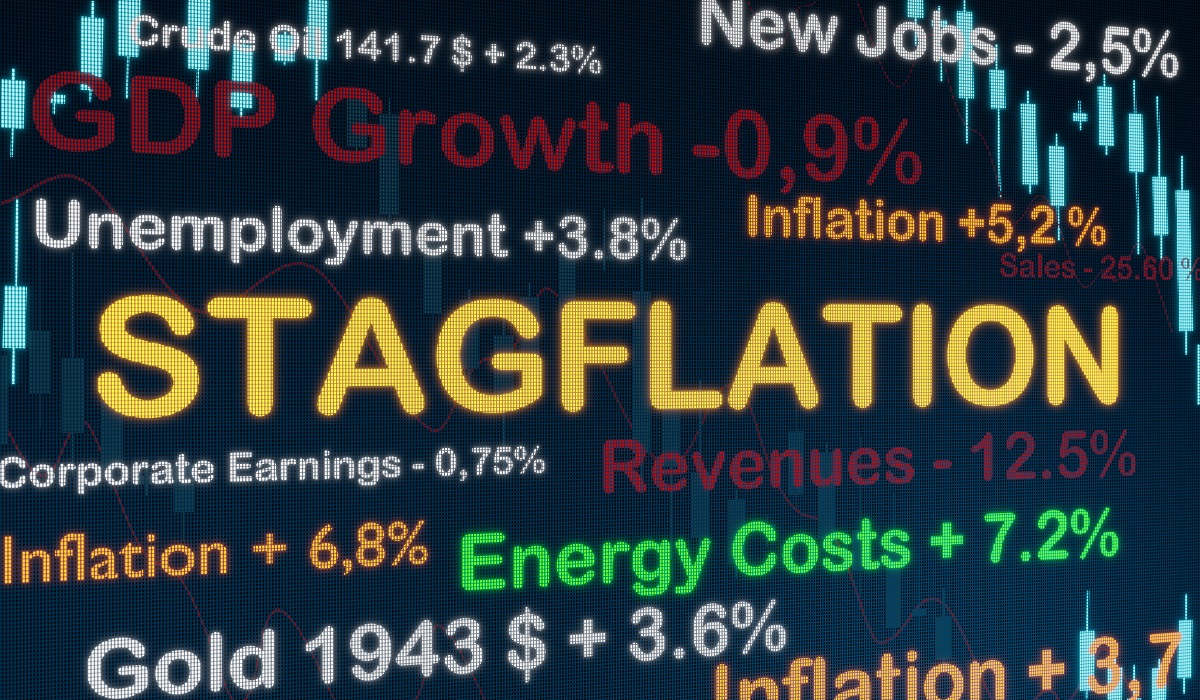
Stagflation occurs when an economy faces high inflation + slow growth + high unemployment—a worst-case scenario for policymakers.
Normally, weak growth would lead to a weaker currency. But if inflation is also surging, central banks may be forced to hike interest rates despite economic pain.
In the 1970s, the U.S. experienced stagflation, and while the dollar had volatile periods, it didn’t collapse. This was because the Fed raised rates dramatically to fight inflation.
Similar to the 1970s, if major economies enter stagflation in 2025, currencies might hold up better than expected. This is if central banks prioritize inflation control over growth.
2. Interest Rate Differentials Matter More Than Inflation Alone
Forex traders don’t just look at inflation—they compare real interest rates (interest rates adjusted for inflation).
If Country A has 6% inflation but offers 7% interest rates, its real yield is +1%.
If Country B has 2% inflation and 3% rates, its real yield is also +1%.
In this case, inflation alone doesn’t make Country A’s currency weaker. This is because the return after inflation is the same.
This is why the U.S. dollar (USD) has remained strong in recent years despite above-target inflation. The Fed’s aggressive rate hikes kept real yields attractive compared to other currencies.
3. Safe-Haven Demand Can Override Inflation Fears
Some currencies, like the USD and Swiss Franc (CHF), often strengthen during global crises—even if their domestic inflation is high.
In 2022-2023, the USD rallied despite U.S. inflation hitting 9% because investors saw it as a safe asset during market turmoil.
If geopolitical tensions or a recession hit in 2025-2026, we could see a similar pattern. Inflation might take a backseat to risk sentiment in forex markets.
How Inflation Dynamics Affect Major Currency Pairs
EUR/USD: The Battle of Two Inflation Stories
The Euro (EUR) tends to weaken when the European Central Bank (ECB) is seen as “behind the curve” on inflation.
If U.S. inflation cools faster than Eurozone inflation, the Fed might cut rates before the ECB. This could weaken the USD and push EUR/USD higher.
Yet, if stagflation hits Europe harder than the U.S., the euro could struggle even with high inflation. Investors may doubt the ECB’s ability to manage both inflation and growth.
GBP/USD: The UK’s Inflation Sensitivity
The British Pound (GBP) is highly sensitive to inflation surprises.
The Bank of England (BoE) has been cautious with rate hikes compared to the Fed. This caution has sometimes hurt the pound.
In 2025, if UK inflation remains stubborn while U.S. inflation falls, GBP/USD could drop. This is because the Fed might cut rates before the BoE.
Yet, if the BoE signals more aggressive tightening, the pound could rebound. This rebound could happen despite high inflation.
USD/JPY: The Yen’s Inflation Paradox
Japan has recently seen inflation rise after decades of deflation.
This rise in inflation should be yen-positive. But the Bank of Japan (BoJ) has kept rates near zero. This makes the yen vulnerable.
If Japan’s inflation stays high in 2025-2026 and the BoJ hikes rates, the yen could surge.
But if the BoJ delays, USD/JPY may keep rising. This is even with high Japanese inflation.
Key Factors Traders Should Watch in 2025-2026
1. Central Bank Policy Shifts
The biggest driver of currency movements isn’t inflation itself—it’s how central banks respond. Traders should monitor:
- Fed, ECB, and BoJ meetings for hints on rate cuts/hikes.
- Forward guidance—even if inflation is high, a dovish central bank can weaken a currency.
2. Oil Prices and “Imported Inflation”
Countries that import oil (like Japan and the Eurozone) face “imported inflation” when energy prices rise.
This can force central banks to hike rates even with weak growth—a scenario that complicates forex trends.
Traders should track forex and oil correlations, specially for pairs like USD/CAD (Canada exports oil).
3. Wage Growth and Core Inflation
Headline inflation gets attention, but central banks focus more on core inflation (excluding food and energy) and wage growth.
If wages rise faster than productivity, it can lead to persistent inflation. This forces longer rate hikes and currency strength.
Trading Strategies for Inflation-Driven Forex Markets
1. Trade Central Bank Divergences
When one central bank is hiking while another is cutting, the currency pair often trends strongly.
For example, if the Fed keeps rates high while the ECB cuts, EUR/USD will likely fall.
2. Use Inflation Surprises as Catalysts
Economic reports like the U.S. CPI or Eurozone HICP can trigger big moves if they differ from expectations.
Traders can prepare by:
- Watching consensus forecasts before releases.
- Setting pending orders to catch breakouts.
3. Watch for Reversals in Overextended Trends
Sometimes, markets overprice inflation fears.
If a currency weakens too much on inflation news but then stabilizes, a reversal trade may work.
Final Thoughts: Why Most Traders Misunderstand Inflation’s Impact
Many forex traders assume high inflation always kills a currency, but history shows it’s more about policy responses and real yields.
In 2025-2026, traders who focus solely on inflation numbers—without considering central bank actions, oil prices, and global risk sentiment—will miss key opportunities.
The best approach combines:
✅ Monitoring real interest rates (not just inflation).
✅ Tracking central bank rhetoric for policy clues.
✅ Balancing inflation trades with safe-haven flows during crises.
For the latest forex analysis and real-time updates on how inflation impacts currencies, visit ForexSmartStart.com and sharpen your trading edge.
Disclaimer
The information, strategies, techniques and approaches discussed in this article are for general information purposes only. Latest Forex Rates does not necessarily use, promote nor recommend any strategies discussed in this article. The information in this article may not be suitable for your personal financial circumstances and you should seek independent qualified financial advice before implementing any financial strategy.